|
Celebrating Continuous
National & International Certification, License
And Education of Biblical & Christian Counselors & Therapists + 1995 -
Present
The American Association of Christian Therapists

Domestic Violence ... The Norm for Some!!!
You
can become a Biblical Domestic Violence Specialist, or a Christian Domestic Violence Professional
or even a Domestic Violence Christian Advocate. You may have the
experience and the credentials to support your ministry… but you may need certification or license.
If
you need training the AACT can provide training to suppliment your already earned credentials.
If you need intense training we can send you to a specialist who will train you and then test you… and then you
can return for your certification or license.
Check
below to see for which level you qualify or you need training… one course or intense training to better help those who
are victims of domestic violence.

Domestic violence has long been recognized as a wide spread
public health problem.
Some studies estimate that over two million women are physically
assaulted by their male partners in the United States.
We must be cognizant of the fact that domestic abuse effects
lesbian ,gay and heterosexual males as well.
Each year hundreds of thousands of victims of domestic violence
are seen by healthcare providers across the country.Unfortunately most go unrecognized.
Domestic violence is the single largest cause of injury
to women between the ages of 15 and 44 in the United States ,more than muggings ,car accidents ,and rapes combined.
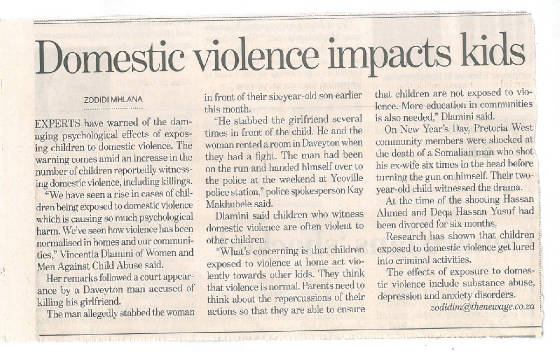
Approximately 2-3 million children in the United States
are seriously abused by their parents ,guardians or others each year and more than 1,000 children die as a result of their
injuries.
Recent studies suggest suggest that approximately 20 percent
of children will be sexually abused by someone they know.
DOMESTIC VIOLENCE COURSE REQUIREMENTS
FOR CERTIFICATION / LICENSE
Introduction to Pastoral Care
Marriags and Family Counseling
course
Core Issues in Domestic Violence
Counseling
Mastery Over Anger or related
course
Assertiveness and Self Ownership
Codependency to Self-identity
(Any course that covers codependency)*
Understanding Arrested Development
Childhood counseling –
Play Therapy
Recovery from Addiction
Counseling the Teenager
Counseling Addicts and Offenders
If you feel that you need more training and
testing before certification please go to the ITCT web site (http://aactinstitute.com) and see the offerings of the Institute. If you have further questions
please write to the AACT headquarters to begin your training in being a Christian Domestic Violence Professional. Or
continue down the page to determine the AACT certification / license that best suits you
Certification or
Description
Annual Fee
License
Certification
Biblical/Christian Domestic Violence Specialist
$139.00
Certification requirements for certified CDVP … Current credentials in Pastoral Counseling,
Life Coaching, CDVP training,
or AACT CDVP course I & II (A Bachelor’s degree in Pastoral Counseling or related
field)
Certification Christian Domestic Violence Professional I $159.00
Certification
requirements for certified CDVP … Current credentials in Pastoral
Counseling,
Life Coaching, CDVP training, or AACT CDVP course I & II
(A
Bachelor’s degree in Pastoral Counseling or related field)
License Christian
Domestic Violence Professional II $159.00
Certification
requirements for licensed CDVP … Current credentials in Pastoral
Counseling,
or Life Coaching, or CDVP Training, or AACT CDVP course I, II and III.
(A
Master’s degree in Pastoral Counseling or related field)
License
Domestic Violence Christian Advocate
$169.00
License
Domestic Violence Christian Advocate Diplomate $189.00
Certification Requirements for DVCA
(DomesticViolence Christian Advocate)
… Current credentials in Pastoral Counseling, Life Coaching,
CDVS Training,
or AACT CDVS course
I, II, & III, and IV
The Advocate is responsible
for providing support, resource and referral for
victims of domestic
violence for residential participants in a program and those
served through a Community
Based Outreach.
A successful Domestic Violence Christian Advocate is:
1. One with
a keen awareness of the critical nature of services provided to
victims of domestic violence who are residing in the community and
have
minimal support.
2. A strong ability to assist and support victims
of domestic violence with
lethality self-assessment and safety planning.
3. A commitment
to meeting the day-to-day needs of the women in a
compassionate manner that is in concert with the empowerment dynamic.
Qualifications: 2 years of post-secondary education in a related field
or
equivalent work experience in family violence services.
(At least 5 years
with a Master’s degree or a doctoral degree in pastoral and Christian counseling)
What are the signs of domestic violence?
·
Destructive criticism and verbal abuse: shouting/mocking/accusing/name
calling/verbally threatening
·
Pressure tactics: sulking, threatening to
withhold money, disconnect the telephone, take the car away, commit suicide, take the children away, report you to welfare
agencies unless you comply with his demands regarding bringing up the children, lying to your friends and family about you,
telling you that you have no choice in any decisions.
·
Disrespect: persistently putting you down
in front of other people, not listening or responding when you talk, interrupting your telephone calls, taking money from
your purse without asking, refusing to help with childcare or housework.
·
Breaking trust: lying to you, withholding
information from you, being jealous, having other relationships, breaking promises and shared agreements.
·
Isolation: monitoring or blocking your telephone
calls, telling you where you can and cannot go, preventing you from seeing friends and relatives.
·
Harassment: following you, checking up on
you, opening your mail, repeatedly checking to see who has telephoned you, embarrassing you in public.
·
Threats: making angry gestures, using physical
size to intimidate, shouting you down, destroying your possessions, breaking things, punching walls, wielding a knife or a
gun, threatening to kill or harm you and the children.
·
Sexual violence: using force, threats or
intimidation to make you perform sexual acts, having sex with you when you don't want to have sex, any degrading treatment
based on your sexual orientation.
·
Physical violence: punching, slapping, hitting,
biting, pinching, kicking, pulling hair out, pushing, shoving, burning, strangling.
·
Denial: saying the abuse doesn't happen,
saying you caused the abusive behaviour, being publicly gentle and patient, crying and begging for forgiveness, saying it
will never happen again.
AACT Domestic Violence Certification Application
AACT Reference Form
AACT Record's Check
|
